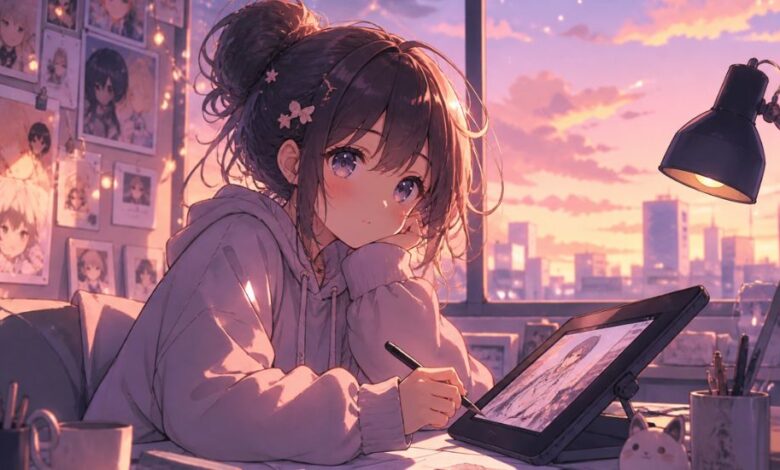
In the ever-evolving world of internet culture, new terms and aesthetics emerge at lightning speed. One phrase that has recently captured the attention of anime fans, digital artists, and curious online readers is Dojen Moe. Although it may sound unfamiliar at first, the term combines two deeply influential concepts from Japanese pop culture: doujin and moe. Together, they represent a unique blend of creativity, emotional storytelling, and artistic charm.
As interest in anime-inspired art and fan-driven communities continues to grow worldwide, Dojen Moe has become a fascinating topic for both casual readers and dedicated enthusiasts. It reflects more than just a visual style—it embodies a feeling, a creative philosophy, and a cultural movement rooted in emotional connection.
What Does Dojen Moe Mean?
The phrase “Dojen Moe” is generally understood as a combination of two Japanese-inspired concepts:
- Doujin (or Doujinshi): Independently created, self-published works such as manga, novels, games, or artwork, often produced by fans or small creators.
- Moe: A Japanese term used to describe feelings of affection, warmth, admiration, or emotional attachment toward fictional characters.
When these two ideas merge, Dojen Moe refers to a style of fan-created or independent content that emphasizes emotional appeal, softness, and character-driven storytelling. It often evokes feelings of comfort, nostalgia, and connection.
Rather than being a strict genre, Dojen Moe is better described as an aesthetic and creative approach. It celebrates heartfelt expression, gentle visuals, and the emotional bond between audiences and characters.
The Origins of Dojen Moe
Dojen Moe does not appear to be a traditional or formally recognized Japanese genre. Instead, it is a modern internet-born term that has evolved through online discussions, blogs, and creative communities.
Its roots can be traced to the long-standing tradition of doujin culture in Japan. For decades, artists and writers have independently published fan works inspired by popular anime, manga, and video games. These creations often explore stories, relationships, and artistic styles that mainstream media may overlook.
At the same time, the concept of moe became a defining feature of anime culture in the late 1990s and early 2000s. Moe centers on the emotional response viewers feel toward lovable, innocent, or endearing characters.
Dojen Moe naturally emerged from the intersection of these two traditions—independent creativity and emotional character appeal.
Why Is Dojen Moe Becoming So Popular?
Several factors have contributed to the rise of Dojen Moe in recent years.
1. Growth of Independent Creators
Digital platforms have empowered artists, writers, and designers to share their work directly with global audiences. This has allowed niche styles like Dojen Moe to flourish.
2. Demand for Comforting Content
In an increasingly fast-paced digital world, audiences are drawn to art and stories that provide emotional warmth, relaxation, and comfort.
3. Anime’s Global Influence
Anime and manga continue to expand worldwide, introducing more people to concepts like moe, doujinshi, and related fan cultures.
4. Social Media Virality
Platforms such as TikTok, Instagram, Pinterest, and X have made it easier for aesthetic trends to spread rapidly.
5. Authentic Creative Expression
Unlike highly commercialized media, Dojen Moe often feels personal, intimate, and deeply sincere.
Core Characteristics of Dojen Moe
Dojen Moe is defined by a combination of visual and emotional qualities. Some of its most recognizable traits include:
- Soft, pastel color palettes
- Large, expressive eyes
- Gentle facial expressions
- Cozy or intimate settings
- Dreamlike backgrounds
- Emotionally resonant scenes
- Character-centered storytelling
- Themes of healing, friendship, and nostalgia
The overall goal is to create a sense of warmth and emotional connection. It is art designed not just to be seen but to be felt.
Dojen Moe and Emotional Storytelling
One of the most powerful aspects of Dojen Moe is its focus on emotion. While many art styles prioritize technical complexity or visual spectacle, Dojen Moe places emotional resonance at the center.
Stories or illustrations within this style often explore:
- Quiet moments of friendship
- Gentle romance
- Personal growth
- Healing from hardship
- Everyday beauty
- Nostalgic memories
- Emotional vulnerability
This emotional depth is one reason why audiences feel so strongly connected to Dojen Moe works.
Dojen Moe vs Doujinshi vs Moe
Although these terms are related, they are not identical.
Doujinshi
Refers specifically to self-published works, often fan-made manga or stories.
Moe
Describes the emotional affection or protective feeling toward fictional characters.
Dojen Moe
Represents the intersection of independent creativity and emotionally appealing aesthetics.
In simple terms, Doujinshi is the format, Moe is the feeling, and Dojin Moe is the creative style that often combines both.
How Dojen Moe Differs From Kawaii?
Many people confuse Dojen Moe with kawaii, but the two concepts are distinct.
- Kawaii focuses primarily on cuteness, playfulness, and visual charm.
- Dojen Moe goes deeper, emphasizing emotional intimacy and character attachment.
A kawaii character may look adorable, but a Dojen Moe character makes you care about their feelings, story, and journey.
This emotional layer is what sets Dojen Moe apart.
Where You Can Find Dojen Moe Content
Dojen Moe-inspired content appears across a wide range of digital spaces, including:
- Online art communities
- Independent illustration platforms
- Fan fiction websites
- Anime forums and discussion boards
- Social media platforms
- Self-publishing marketplaces
- Webcomics and indie games
Creators often use these spaces to share deeply personal projects that resonate with audiences seeking meaningful and comforting experiences.
The Cultural Importance of Dojen Moe
Dojen Moe reflects several broader cultural shifts in modern media consumption.
First, it highlights the growing value of independent artistry. Audiences increasingly appreciate creators who produce authentic work outside traditional commercial systems.
Second, it demonstrates the importance of emotional connection in digital culture. In an era dominated by algorithms and rapid content cycles, Dojen Moe offers sincerity and human warmth.
Third, it showcases the global influence of Japanese pop culture. Concepts once limited to niche fandoms now shape mainstream internet aesthetics and creative trends.
Is Dojen Moe an official genre?
No, Dojen Moe is not an officially recognized genre within Japanese media or academic classification. It is better understood as a community-created descriptive term.
Like many internet-born phrases, its meaning can vary slightly depending on context. However, the core idea remains consistent: emotionally engaging, independently inspired, character-focused art and storytelling.
Its informal nature is actually part of its appeal. It allows creators to interpret and adapt the concept in their own unique ways.
The Future of Dojen Moe
As online creative communities continue to expand, Dojen Moe is likely to grow in popularity. Several trends support its long-term relevance:
- Rising interest in niche aesthetics
- Increased support for independent artists
- Continued global growth of anime culture
- Demand for emotionally comforting media
- Expansion of fan-driven creative platforms
Dojen Moe may evolve over time, but its core appeal—warmth, sincerity, and emotional connection—is timeless.
Why Audiences Love Dojen Moe
At its heart, Dojen Moe resonates because it fulfills a universal human need: connection.
It reminds us that art can be gentle. Stories can be comforting. Characters can feel like companions. In a world that often feels overwhelming, Dojen Moe offers a softer, more heartfelt alternative.
Its popularity is not simply about aesthetics—it is about emotion, belonging, and the joy of shared creativity.
Final Thoughts
Dojen Moe represents a beautiful fusion of independent artistic expression and emotional storytelling. By blending the creative freedom of doujin culture with the heartfelt appeal of moe, it has carved out a meaningful place in modern internet culture.
Whether you are an anime enthusiast, an artist, or simply someone curious about emerging online trends, understanding Dojen Moe offers insight into how digital communities create, connect, and inspire one another. It is more than a passing trend—it is a reflection of the enduring power of art to comfort, unite, and move us.
As internet culture continues to evolve, Dojen Moe stands out as a reminder that the most impactful creations are often those made with sincerity, passion, and heart. For more insights into digital trends, anime culture, and emerging online phenomena, keep exploring with Buzz Arena.
Written by James
James is a cybersecurity researcher and technology content writer at BuzzArena with over 5 years of experience covering digital safety, scam awareness, phone number investigations, and online consumer protection. He specializes in creating accurate, well-researched, and easy-to-understand content that helps readers stay informed and secure in today’s digital world.
Frequently Asked Questions
1. What does Dojen Moe mean?
Dojen Moe is an internet term that combines the ideas of doujin (independent fan-created works) and moe (affection for fictional characters). It describes a soft, emotionally engaging style of art and storytelling.
2. Is Dojen Moe an official Japanese art genre?
No, Dojen Moe is not an officially recognized genre in Japan. It is a community-created term used online to describe a specific aesthetic and emotional style.
3. How is Dojen Moe different from Doujinshi?
Doujinshi refers specifically to self-published manga, novels, or fan works. Dojen Moe, on the other hand, is a broader aesthetic concept focused on emotional warmth, character appeal, and artistic expression.
4. Why is Dojen Moe becoming popular?
Its popularity comes from the growing interest in anime-inspired art, indie creators, and comforting digital content. Many people are drawn to its sincerity, softness, and emotional depth.
5. Where can I find Dojen Moe content online?
You can explore Dojen Moe-inspired content on platforms such as Pixiv, DeviantArt, Pinterest, Tumblr, and various anime and fan art communities across social media.