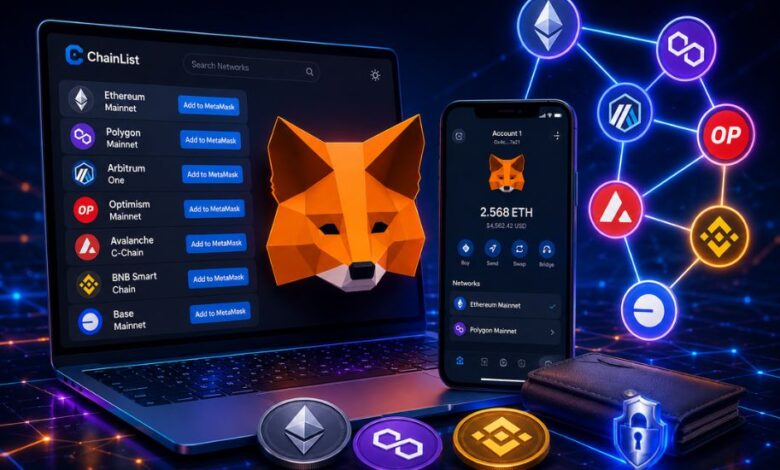
As blockchain technology expands beyond a single network ecosystem, users increasingly need access to multiple chains for decentralized finance, NFT trading, gaming, and Web3 applications. Managing these networks manually can be confusing, especially for beginners who are unfamiliar with RPC URLs, Chain IDs, and wallet configurations.
This is where the concept often associated with Chainlist MetaMask TechEduByte becomes valuable. It focuses on simplifying the process of connecting MetaMask to various blockchain networks through Chainlist, helping users save time while reducing setup errors. Whether you are a newcomer exploring cryptocurrency or an experienced blockchain user, understanding how these tools work together can significantly improve your Web3 experience.
What Is Chainlist?
Chainlist is a network directory designed for Ethereum Virtual Machine (EVM) compatible blockchains. Instead of manually entering technical network information, users can browse verified blockchain networks and add them directly to their wallets.
Each network listing typically contains:
- Network name
- Chain ID
- RPC URL
- Native currency
- Block explorer information
The platform acts as a bridge between users and blockchain ecosystems by making network discovery and configuration much easier.
What Is MetaMask?
MetaMask is one of the most widely used cryptocurrency wallets in the blockchain industry. Available as both a browser extension and mobile application, it enables users to store digital assets and interact with decentralized applications.
MetaMask supports:
- Cryptocurrency storage
- NFT management
- DeFi applications
- Web3 gaming
- Smart contract interaction
- Multi-chain blockchain access
Although MetaMask comes preconfigured for Ethereum, users often need to add additional networks to access different ecosystems. This is where Chainlist becomes especially useful.
Quick Setup Guide: How to Add Networks Using Chainlist and MetaMask
One of the most valuable aspects of this workflow is its simplicity.
Step 1: Install MetaMask
Download and install the MetaMask browser extension or mobile application. Create a wallet or import an existing wallet using your recovery phrase.
Step 2: Open Chainlist
Visit the Chainlist platform and prepare to connect your wallet.
Step 3: Connect Your Wallet
Click the Connect Wallet button and approve the connection request in MetaMask.
Step 4: Search for a Network
Use the search feature to locate your desired blockchain network.
Popular examples include:
- Polygon
- Arbitrum
- Optimism
- Avalanche
- Base
- Linea
- BNB Smart Chain
Step 5: Click Add to MetaMask
Select the desired network and click the Add to MetaMask button.
Step 6: Approve the Request
MetaMask will display the network configuration details. Review the information and approve the request.
Step 7: Switch Networks
After approval, MetaMask allows you to switch directly to the newly added blockchain network.
The entire process generally takes less than a minute.
Why This Method Is Popular Among Web3 Users
Blockchain ecosystems continue to expand rapidly. New Layer 2 networks, sidechains, and decentralized platforms are launched regularly.
Manually configuring networks requires users to locate accurate RPC details, verify Chain IDs, and ensure compatibility with their wallet.
Automated network setup provides several advantages:
- Faster onboarding
- Reduced setup errors
- Better user experience
- Easier access to Web3 applications
- Improved blockchain exploration
This streamlined approach makes blockchain technology more accessible for everyone.
Chainlist vs Manual Network Setup
One area often overlooked by competing articles is a direct comparison between automated and manual configuration.
| Feature | Chainlist | Manual Setup |
|---|---|---|
| Speed | Fast | Slow |
| Accuracy | High | Medium |
| Beginner Friendly | Yes | No |
| Time Required | Minutes | Longer |
| Error Risk | Low | Higher |
| Convenience | Excellent | Moderate |
For most users, automated network addition offers the best balance of speed, convenience, and reliability.
Popular Networks Available Through Chainlist
Ethereum Mainnet
The largest smart contract ecosystem and foundation of decentralized finance.
Polygon
Known for lower transaction fees and faster confirmations while maintaining Ethereum compatibility.
Arbitrum
A leading Layer 2 network designed to improve Ethereum scalability.
Optimism
Offers faster and more affordable transactions through optimistic rollup technology.
Avalanche
Provides high-speed transaction processing and a growing ecosystem of decentralized applications.
Base
A rapidly expanding blockchain ecosystem focused on scalability and accessibility.
Linea
A zkEVM-based network that enhances scalability while maintaining compatibility with Ethereum tools.
BNB Smart Chain
Widely used for DeFi applications, blockchain gaming, and token trading.
Real-World Use Cases
Understanding practical applications helps illustrate why efficient network management matters.
NFT Trading
Collectors often switch between Ethereum and Polygon depending on marketplace support and transaction costs.
Decentralized Finance
Many DeFi platforms operate across multiple networks such as Arbitrum, Optimism, and Avalanche.
Blockchain Gaming
Gaming ecosystems frequently run on specialized networks that must be added to MetaMask before participation.
Cross-Chain Asset Management
Investors regularly move assets between ecosystems and require access to multiple blockchain environments.
Smart Contract Development
Developers often test applications on different networks before deployment.
Security Best Practices
Convenience should never replace security.
Verify Network Information
Always review network details before approving requests.
Protect Your Recovery Phrase
Never share your Secret Recovery Phrase with anyone.
Use Trusted Sources
Only use reputable blockchain resources and verified network information.
Keep Software Updated
Wallet updates often include important security improvements.
Beware of Phishing Websites
Fraudulent sites can imitate legitimate blockchain services. Always verify URLs before connecting a wallet.
Common Issues and Troubleshooting
Even experienced users occasionally encounter problems.
MetaMask Not Connecting
Possible solutions include:
- Refreshing the browser
- Unlocking MetaMask
- Restarting the extension
- Updating the wallet
Network Not Appearing
Check:
- Search spelling
- Network availability
- Temporary service interruptions
Incorrect Network Selected
Switch to the correct blockchain before initiating transactions.
RPC Errors
Occasionally, network endpoints may experience temporary downtime. Waiting and retrying often resolves the issue.
About TechEduByte
TechEduByte is a technology-focused educational platform that publishes guides covering blockchain technology, cryptocurrency wallets, Web3 applications, decentralized finance, and emerging digital innovations.
Many educational resources discussing Chainlist and MetaMask focus on simplifying technical concepts for beginners while providing practical instructions for users exploring blockchain ecosystems. This educational approach helps bridge the gap between complex blockchain infrastructure and everyday users seeking straightforward guidance.
For best practices and wallet-specific details, users should also consult official MetaMask documentation and Chainlist documentation alongside educational resources.
Why Developers Also Use These Tools
While beginners benefit from simplified setup, developers also rely on efficient network management.
Common developer use cases include:
- Smart contract testing
- Testnet deployment
- dApp development
- Network experimentation
- Cross-chain compatibility testing
Frequently used testing networks include:
- Sepolia
- Holesky
- Various Layer 2 testnets
Quick network switching improves development efficiency and reduces configuration mistakes.
The Future of Multi-Chain Web3
The blockchain industry is evolving into a multi-chain environment where users interact with numerous ecosystems rather than relying on a single network.
As decentralized applications become more sophisticated, wallet tools that simplify blockchain connectivity will continue to play an important role. Automated network management improves accessibility, encourages adoption, and lowers technical barriers for new participants entering the Web3 space.
Solutions that streamline network discovery and integration represent an important step toward making blockchain technology more user-friendly and practical for mainstream audiences.
Conclusion
The relationship between Chainlist and MetaMask demonstrates how blockchain tools can become more accessible through thoughtful design and automation. By eliminating much of the complexity associated with manual network configuration, users can spend less time managing settings and more time exploring decentralized applications, digital assets, and emerging Web3 opportunities. Understanding the educational principles behind Chainlist MetaMask TechEduByte provides valuable insight into efficient blockchain navigation while maintaining security and flexibility.
At Buzz Arena, we are committed to delivering practical technology insights that help readers confidently understand blockchain, cryptocurrency, Web3 innovations, and the rapidly evolving digital world.
Written by James
Frequently Asked Questions
Is Chainlist safe to use?
Chainlist is generally considered safe when used correctly. Users should always verify network information and ensure they are using legitimate sources.
Does Chainlist support Base?
Yes. Base is one of the many EVM-compatible networks available through Chainlist.
Can I add custom networks manually?
Yes. MetaMask allows users to manually enter network details if desired.
Is MetaMask free?
Yes. MetaMask is free to download and use.
Why is a network not appearing?
Possible reasons include search errors, temporary platform issues, or unsupported networks.
Can I remove a network later?
Yes. MetaMask allows users to manage and remove custom networks.
Does Chainlist store private keys?
No. Wallet private keys remain under the user’s control within MetaMask.
Can developers use Chainlist for testnets?
Yes. Many developers use it to access and manage test networks during application development.

