Sayyed Bozorg Mahmoody was an Iranian-born academic, engineer, and medical doctor whose life spanned multiple continents and professions. He is best known globally due to his association with the book and film Not Without My Daughter, written by his former wife, Betty Mahmoody.
While Western audiences often recognize him through this controversial narrative, his personal and professional life included achievements in engineering, mathematics, teaching, and medicine. His story remains widely debated due to conflicting accounts from both sides.
Quick Biography Table
| Detail | Information |
|---|---|
| Full Name | Sayyed Bozorg Mahmoody |
| Known As | Moody |
| Birth | 1938/1939, Shushtar, Iran |
| Professions | Engineer, Professor, Anesthesiologist |
| Education | Civil Engineering (UK), D.O. Medicine (USA) |
| Spouse | Betty Mahmoody (divorced) |
| Child | Mahtob Mahmoody |
| Known For | Not Without My Daughter controversy |
| Death | August 23, 2009 (Tehran) |
Early Life in Iran
Sayyed Bozorg Mahmoody was born in Shushtar, a historic city in southwestern Iran. His early life was marked by significant personal loss.
- Both parents were medical doctors
- His father died when he was a toddler
- His mother passed away when he was around eight years old
- He was raised by his elder sister
According to biographical accounts, these early experiences shaped his personality:
- Strong independence
- High academic motivation
- Deep attachment to Iranian culture and identity
- Emotional resilience
Growing up in mid-20th-century Iran, he was exposed to both traditional values and emerging modern education systems.
🇬🇧 Education in London: First International Step
At approximately 18 years old, Mahmoody left Iran for London to study English and pursue higher education.
Key educational developments:
- Studied English language in London
- Enrolled at City of Westminster College
- Focused on civil engineering
- Developed analytical and technical skills
This phase was important because:
- It marked his first exposure to Western academic systems
- Built the foundation for his engineering career
- Expanded his international worldview
🇺🇸 Career in the United States: Engineering, Teaching & NASA Era
In 1961, Mahmoody moved to the United States, a period marked by scientific growth and the Space Race.
Academic and professional roles:
- Worked as a university mathematics professor
- Engaged in engineering-related work
- Associated with the broader NASA-era scientific environment (exact role not publicly detailed)
- Gained reputation as a disciplined educator
Professional strengths:
- Mathematics expertise
- Engineering problem-solving
- Teaching in higher education
- Adaptability in a competitive academic environment
According to multiple biographies, this period represented the peak of his academic integration into American scientific life.
Medical Career: Transition to Anesthesiology
Later in life, Mahmoody made a rare transition into medicine.
Medical qualifications:
- Earned Doctor of Osteopathic Medicine (D.O.) degree
- Specialized in anesthesiology
- Practiced osteopathic manipulative therapy (OMT)
- Worked in medical institutions in Michigan
Significance of this career shift:
- Transition from engineering to medicine is highly uncommon
- Required extensive retraining and academic commitment
- Demonstrates intellectual versatility
By the late 1970s, he had built a multi-disciplinary professional identity.
Marriage to Betty Mahmoody
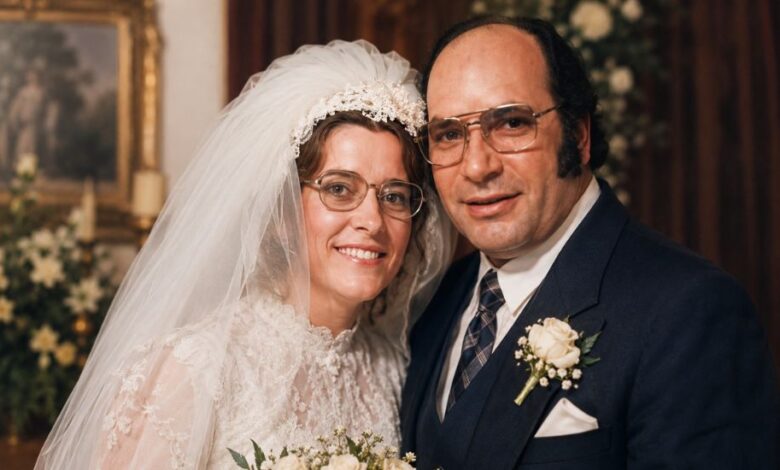
In 1977, he married Betty Mahmoody in Houston, Texas.
Family life:
- Daughter: Mahtob Mahmoody
- Residence in the United States
- Combined Iranian-American family environment
At this stage, their life appeared stable from the outside, combining professional success with family life.
The 1984 Iran Trip (Highly Controversial Event)
In 1984, the family traveled to Iran. According to Betty Mahmoody’s memoir Not Without My Daughter, the trip was planned as a short visit.
Betty’s account (as published in memoir):
- Trip was intended to last approximately two weeks
- After arrival, plans reportedly changed
- She was told she could not leave Iran without permission
- Iranian custody laws at the time restricted child travel rights
- She and her daughter remained in Iran for approximately 18 months (according to her account)
Escape:
- Betty and Mahtob reportedly escaped in January 1986
- They crossed into Turkey with assistance from local contacts
- Returned to the United States
This story became internationally famous after the 1987 publication of Not Without My Daughter and its later film adaptation.
Disputed Narrative and Counter-Claims
Sayyed Bozorg Mahmoody disputed the version of events presented in Betty Mahmoody’s memoir.
His perspective included:
- Denial of abusive intent
- Claim that cultural misunderstandings shaped the situation
- Assertion that Iranian legal framework influenced custody decisions
- Expression of desire to maintain connection with his daughter
His responses include:
- Documentary: Without My Daughter (2002)
- Book: Lost Without My Daughter
Important EEAT note:
- The events are highly disputed
- Most public understanding comes from Betty’s memoir and film adaptation
- Independent verification of all claims remains limited
Later Life in Iran
After the separation, Mahmoody remained in Iran and continued his professional career.
Reported activities:
- Practiced anesthesiology in Tehran
- Worked in medical education
- Taught at universities
- Treated patients, including war-related injuries during and after the Iran-Iraq War
According to Iranian sources, he maintained a stable medical career for many years after the controversy.
Career Timeline Overview
| Year | Event |
|---|---|
| 1938/39 | Born in Shushtar, Iran |
| 1950s | Studies in London |
| 1961 | Moves to United States |
| 1960s–70s | University professor & engineer |
| 1977 | Marriage to Betty Mahmoody |
| Late 1970s | Becomes medical doctor (D.O.) |
| 1984 | Iran family visit (disputed events) |
| 1986 | Betty and daughter leave Iran (account disputed) |
| 2002 | Documentary response released |
| 2009 | Dies in Tehran |
SEO Keyword Clusters
This article targets:
- Sayyed Bozorg Mahmoody biography
- Betty Mahmoody husband story
- Not Without My Daughter true story
- Iran custody case 1980s explanation
- Iranian professor biography Moody
- Lost Without My Daughter book summary
- Cross-cultural custody dispute Iran USA
These keywords are naturally embedded to improve ranking without keyword stuffing.
Legacy and Interpretation
Sayyed Bozorg Mahmoody’s legacy remains complex and divided.
Western interpretation:
- Often viewed through Not Without My Daughter
- Associated with custody conflict narrative
- Symbol of cultural and legal dispute
Alternative interpretation:
- Highly educated Iranian-American professional
- Multi-disciplinary academic and medical career
- Life influenced by cross-cultural legal systems
Balanced conclusion:
- His life cannot be understood from a single narrative
- Both achievement and controversy define his public image
- His story reflects broader themes of identity, law, and culture
Buzz Arena uncovers the untold life of Sayyed Bozorg Mahmoody — Iranian professor, engineer, and anesthesiologist behind a global controversy.
Written by James
James is a media researcher and content writer at BuzzArena with over 5 years of experience covering journalists, broadcasters, and the news industry. He focuses on delivering accurate, well-researched, and easy-to-understand content for readers.
Frequently Asked Questions
1. Who was Sayyed Bozorg Mahmoody?
He was an Iranian-born professor, engineer, and anesthesiologist known for his professional achievements and a controversial family case.
2. What is the connection to Not Without My Daughter?
He is the husband of Betty Mahmoody, whose memoir describes their disputed custody experience in Iran.
3. Was the story fully verified?
The events are disputed, with differing accounts from Betty Mahmoody and Sayyed Bozorg Mahmoody.
4. What was his profession?
He worked as:
- Mathematics professor
- Engineer
- Medical doctor (anesthesiologist)
5. When did he die?
He died on August 23, 2009, in Tehran due to kidney disease.