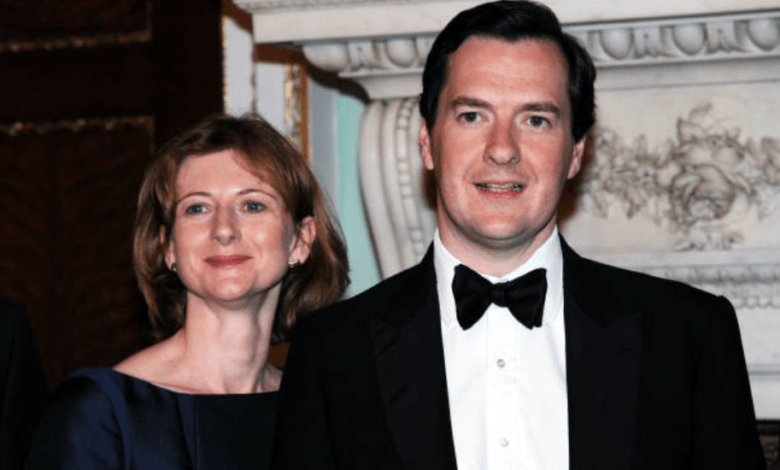
Frances Osborne is a British author, historian, and former barrister known for transforming real historical lives into engaging narrative biographies. Her writing focuses on aristocratic families, personal histories, and women whose lives were shaped by privilege, expectation, and rebellion. Instead of presenting history as a collection of facts, she reconstructs it as lived experience—where memory, documentation, and storytelling merge into one narrative flow.
Her books are widely recognised for blending rigorous historical research with human emotion, making her one of the distinctive voices in modern British historical writing.
📊 Frances Osborne — Bio Table
| Category | Details |
|---|---|
| Full Name | Frances Victoria Osborne (née Howell) |
| Known As | Frances Osborne |
| Date of Birth | 18 February 1969 |
| Age | 57 years (approx.) |
| Birthplace | London, England |
| Nationality | British |
| Profession | Author, Historian, Former Barrister |
| Famous For | The Bolter, Lilla’s Feast, Park Lane |
| Education | Windlesham House School, Marlborough College, University of Oxford |
| Father | David Howell, Baron Howell of Guildford |
| Mother | Cary Davina Wallace |
| Former Spouse | George Osborne (m. 1998–2019) |
| Children | 2 |
| Career Background | Law, Investment Research, Journalism, Writing |
| Notable Work Style | Narrative history, biography-based storytelling |
| Breakthrough Book | The Bolter (2008) |
| Other Books | Lilla’s Feast, Park Lane |
| Literary Role | Booker Prize Judge (2015) |
| Writing Focus | Aristocratic history, women’s life stories, historical biography |
| Current Status | Author & historian |
| National Recognition | Strong presence in UK literary circles |
Early Life and Background
Frances Osborne was born on 18 February 1969 in London, England, into a prominent British political family. Her father, David Howell, Baron Howell of Guildford, is a senior Conservative politician, placing her early life within an environment shaped by public service, intellectual discussion, and historical awareness.
Growing up, she was exposed not only to political life but also to layered family histories that would later influence her writing direction. These personal connections to the past played a major role in shaping her interest in how individual lives are remembered—or forgotten—over time.
Key Early Influences:
- Exposure to British political and intellectual circles
- Strong awareness of family lineage and social history
- Access to private correspondence and personal narratives
- Interest in how identity is shaped by history and society
This combination of privilege and historical depth became the foundation of her literary identity.
Education
Frances Osborne was educated at some of the UK’s most respected institutions:
- Windlesham House School
- Marlborough College
- University of Oxford
At Oxford, she developed strong analytical thinking, research discipline, and a deeper understanding of historical interpretation. This academic grounding later helped her convert complex historical material into accessible storytelling.
Her education gave her both structure and intellectual curiosity—two qualities that define her writing today.
Early Professional Career
Before becoming a full-time author, Frances Osborne worked across multiple professional fields, gaining experience in very different industries.
Career Path:
- Trained and worked as a barrister
- Worked in investment research and financial analysis
- Later transitioned into journalism and writing
Each stage added a different layer to her skillset:
- Law strengthened precision and structured thinking
- Finance developed analytical discipline.
- Journalism refined storytelling and clarity.
This rare combination helped her develop a writing style that is both factual and emotionally engaging.
Transition into Writing
Frances Osborne’s shift into writing came through personal discovery rather than deliberate career planning. While exploring family documents, letters, and private records, she uncovered deeply human stories from the past.
Instead of treating these materials as private inheritance, she turned them into public historical narratives.
👉 Her writing often suggests that history is not something distant—it is something still emotionally alive.
This approach became the defining principle of her work.
Major Books and Literary Work
1. Lilla’s Feast (2004)
Lilla’s Feast is Frances Osborne’s debut book, centred on her great-grandmother, Lilla Eckford.
The book explores:
- Family letters and personal correspondence
- Travel experiences across Asia and Europe
- Life during colonial-era transitions
- Cultural encounters between different societies
This work established Osborne as a serious narrative historian capable of turning personal memory into structured historical storytelling.
2. The Bolter (2008) — Breakthrough Work
The Bolter is Frances Osborne’s most famous and influential book.
It tells the story of Lady Idina Sackville, an aristocratic woman known for her unconventional lifestyle and defiance of early 20th-century British social norms.
Central Themes:
- Rebellion against aristocratic expectations
- Colonial Kenya’s elite social environment (“Happy Valley Set”)
- Marriage, divorce, and identity freedom
- Conflict between tradition and independence
Why It Stands Out:
- Based on real historical figures and family lineage
- Reveals hidden aspects of British colonial aristocracy
- Combines scandal, emotion, and biography into narrative form
- Presents a complex female figure without simplification
📌 Her books blur the line between history and memory.
This work brought Frances Osborne international recognition and remains her defining literary achievement.
3. Park Lane (2012)
Park Lane is a historical novel set in pre–World War I London.
Key Themes:
- Social class structure in Edwardian Britain
- Women’s changing roles in society
- Political and cultural transformation before WWI
- Personal identity within rigid social systems
Unlike her earlier works, this book shows her versatility in fiction while maintaining strong historical authenticity.
Additional Research Work
Frances Osborne has also contributed to historical studies involving Victorian travel writer Annie Brassey and other archival women’s histories.
Across all her work, one theme remains constant:
👉 The exploration of how private lives reflect broader historical change.
Writing Style and Approach
Frances Osborne’s writing style is defined by balance—between factual accuracy and narrative emotion.
Key Characteristics:
- Based on verified documents, letters, and personal records
- Narrative-driven structure rather than academic tone
- Strong focus on individual human experience
- Clear, accessible language for general readers
- Emotional depth grounded in historical evidence
Her storytelling transforms historical figures into relatable human personalities rather than distant names in books.
Literary Recognition and Authority
A major milestone in Frances Osborne’s career was serving as a Booker Prize judge in 2015, one of the most prestigious literary awards in the world.
Why this matters:
- Recognition from leading literary institutions
- Validation of her literary expertise
- Establishment as a trusted voice in contemporary literature
This role confirms her position not only as an author but also as a literary authority.
Personal Life
Frances Osborne married British politician George Osborne in 1998. The couple have two children and later separated, finalising their divorce in 2019.
Despite her association with a high-profile political family, she has maintained a strong independent identity focused on literature and historical research.
Legacy and Cultural Impact
Frances Osborne’s literary importance lies in how she reshapes the way history is told.
Instead of focusing only on major political events, her work highlights the following:
- Personal stories hidden in aristocratic society
- Emotional realities behind historical figures
- The human side of social change
- The connection between identity and history
Her books make readers see history not as distant facts, but as living human experience shaped by choice, struggle, and memory.
Final Conclusion
Frances Osborne’s writing will remain relevant because it captures something timeless—the emotional connection between people and their past. Her work goes beyond documenting history; it preserves the voices and experiences of individuals who shaped, and were shaped by, their era.
In a fast-moving digital world, her carefully crafted narratives stand as a reminder that history is not only about events but about people—how they lived, what they felt, and how their stories continue to echo into the present.
Her legacy lies in this simple but powerful idea:
👉 Understanding history means understanding humanity itself.
Published on Buzz Arena
This article is published for readers of Buzz Arena, where we deliver detailed biographies, cultural insights, and in-depth stories about authors, historical figures, and influential personalities from around the world.
FAQs — Frances Osborne
1. Who is Frances Osborne?
Frances Osborne is a British author, historian, and former barrister known for writing historical biographies and novels, especially The Bolter.
2. What is Frances Osborne famous for?
She is most famous for her bestselling book The Bolter, which tells the story of her great-grandmother Lady Idina Sackville and British aristocratic society.
3. What books has Frances Osborne written?
Her major books include:
- Lilla’s Feast (2004)
- The Bolter (2008)
- Park Lane (2012)
4. What is the main theme of her writing?
Her writing focuses on historical biography, aristocratic history, women’s lives, and stories based on real family archives and historical records.
5. Was Frances Osborne married to George Osborne?
Yes, she was married to British politician George Osborne from 1998 to 2019, and they have two children.
6. What is Frances Osborne’s educational background?
She studied at Windlesham House School, Marlborough College, and later graduated from the University of Oxford.
7. What was her profession before becoming an author?
Before writing, she worked as a barrister, investment researcher, and journalist.
8. What is The Bolter about?
The Bolter is a biography of Lady Idina Sackville, focusing on her rebellious life in British aristocratic society and colonial Kenya.
9. Did Frances Osborne work in literature or awards?
Yes, she served as a Booker Prize judge in 2015, one of the most prestigious literary roles.
10. Where does Frances Osborne get inspiration from?
She often draws inspiration from her own family history, personal archives, and historical research about aristocratic women.
You may also read: Who Is Cheryl Hall? Full Biography Life Career, and Cultural Legacy
Sources and Further Reading