Arran Rees: Biography, Career, Research Work, and Contributions to Digital Cultural Heritage

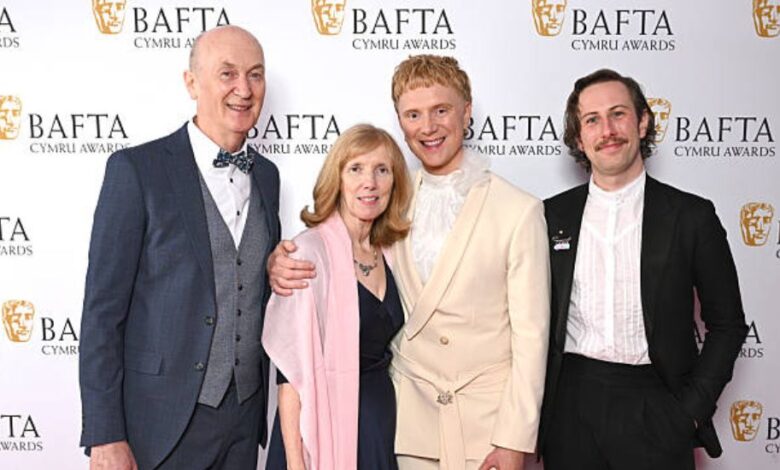
Arran Rees is a UK-based museum professional, researcher, and digital heritage specialist known for his work in museum data management and digital cultural preservation. His career sits at the intersection of museums, technology, and academic research, where he focuses on how cultural institutions store, manage, and interpret both physical and digital collections.
In recent years, his name has become associated with major UK heritage initiatives such as the Museum Data Service and collaborative research projects like the Congruence Engine. His work is particularly important in the evolving field of digital humanities, where museums are increasingly required to adapt to digital-first systems and new forms of cultural data.
This article provides a complete overview of Arran Rees, including his background, academic journey, professional roles, research interests, and contributions to modern museum systems.
Arran Rees – Biography Table
| Category | Details |
|---|---|
| Full Name | Arran Rees |
| Nationality | British (United Kingdom) |
| Profession | Museum Data Specialist, Researcher, Digital Heritage Expert |
| Known For | Museum Data Service, Congruence Engine project, digital cultural heritage research |
| Field of Work | Museum studies, digital humanities, archival science, cultural data systems |
| Education | Associated with University of Leeds (research in museum & digital heritage studies) |
| Major Roles | Museum Data Manager, Research Associate, Digital Collections Specialist |
| Key Institutions | Museum Data Service, University of Leeds, Science Museum Group (collaboration projects) |
| Research Focus | Digital heritage, born-digital archiving, museum data systems, ethical collecting |
| Notable Projects | Congruence Engine, Museum Data Service |
| Special Interest Areas | Meme culture in museums, AI in heritage systems, queer cataloguing in archives |
| Work Experience | Victoria & Albert Museum (V&A), Museum of Cardiff, UK heritage institutions |
| Expertise | Metadata systems, digital archiving, museum collections management |
| Public Profile | Academic/technical professional (limited personal public information) |
| Marital Status | Publicly known to be married to BBC presenter Owain Wyn Evans |
| Contribution | Modernization of museum data infrastructure and digital cultural preservation |
Who is Arran Rees?
Arran Rees is a British museum data specialist and researcher working in the field of digital cultural heritage. He is primarily known for:
- Museum data management and systems development
- Digital archiving and cultural preservation
- Academic research in museum studies
- Work on national-level heritage data projects in the UK
His expertise lies in improving how museums structure and share their collections digitally, ensuring that cultural data is accessible, ethical, and future-proof.
Unlike traditional museum curators, his role is highly technical and research-driven, focusing on backend systems, metadata structures, and digital preservation strategies.
Early Life and Education
Publicly available detailed information about Arran Rees’s early life is limited, which is common for academic and technical professionals in heritage sectors.
However, his educational background is strongly connected to museum studies and cultural research. He is academically associated with the University of Leeds, where he contributed to research in fine art, digital culture, and heritage studies.
His academic focus has included:
- Museum studies and cultural heritage systems
- Digital archiving methodologies
- Born-digital materials and online culture
- Ethical considerations in data preservation
This academic foundation shaped his later work in museum data infrastructure and digital preservation systems.
Professional Career of Arran Rees
Arran Rees has built a career working with leading cultural institutions and research projects in the UK. His professional journey reflects a steady focus on improving digital museum infrastructure.
Museum Data Service
One of his most notable roles is within the Museum Data Service, a UK initiative aimed at improving how museums manage and share their collections data.
In this role, his work involves:
- Standardising museum collection data formats
- Improving interoperability between museum databases
- Supporting digital transformation in museums
- Enhancing accessibility of cultural records
The Museum Data Service plays a key role in modernising museum systems across the UK, allowing smaller and larger institutions to contribute to a shared digital ecosystem.
Congruence Engine Project
Arran Rees is also associated with the Congruence Engine project, a major UK research initiative led by the Science Museum Group and funded by the Arts and Humanities Research Council (AHRC).
The project aims to:
- Connect fragmented heritage data across institutions
- Build a unified digital infrastructure for museum collections
- Use advanced data-matching techniques to link historical records
- Enable large-scale cultural research through digital tools
This project is considered highly innovative because it uses computational methods to connect museum datasets that were previously isolated.
Previous Museum Experience
Before his involvement in national-level projects, Arran Rees worked with several important cultural institutions, including:
- Victoria and Albert Museum (V&A)
- Museum of Cardiff
- Other UK-based heritage and archival organisations
In these roles, he worked on:
- Collections information systems
- Digital cataloguing practices
- Metadata structuring for museum objects
- Information management systems
These experiences helped him develop expertise in both practical museum operations and digital transformation strategies.
Research Focus and Academic Interests
Arran Rees is not only a practitioner but also an active researcher in museum studies and digital heritage.
1. Digital Cultural Heritage
He studies how cultural institutions transition from physical archives to digital systems. This includes:
- Digitisation of museum collections
- Long-term digital preservation strategies
- Data accessibility and sharing models
2. Born-Digital Archiving
One of his key research areas is “born-digital” content—materials created in digital form rather than converted from physical objects.
Examples include:
- Websites
- Social media content
- Digital art
- Online communities and memes
He explores how museums can preserve these fragile and fast-changing digital artefacts.
3. Meme Culture as Heritage
A unique aspect of his research is the idea that internet memes should be considered cultural heritage objects.
He argues that:
- Memes reflect modern cultural expression.
- They document social and political change
- They should be preserved like traditional artefacts.
This research challenges traditional museum thinking by expanding what counts as “heritage”.
4. Ethical Digital Collecting
Another important area of his work is ethics in digital collecting. He examines:
- Ownership of digital content
- Copyright challenges in archiving
- Consent and privacy in online materials
- Institutional responsibility in digital preservation
This is increasingly important as museums collect data from online platforms.
5. Queer Cataloguing in Museums
Arran Rees has also contributed to discussions on inclusive cataloguing practices, especially in representing LGBTQ+ histories in museum databases.
His work focuses on:
- Inclusive metadata systems
- Representation in museum archives
- Ethical classification of identity-based collections
6. Artificial Intelligence in Museums
He has shown interest in how AI can support museum systems, including:
- Automated cataloguing
- Data linking across institutions
- Improving searchability of archives
However, he also highlights ethical concerns in using AI for cultural heritage.
Key Contributions to the Museum Sector
Arran Rees’s work has had a significant impact on how museums approach digital transformation.
Major contributions include:
- Advancing national museum data infrastructure in the UK
- Supporting cross-institutional data integration projects
- Promoting ethical frameworks for digital archiving
- Expanding definitions of cultural heritage to include digital culture
- Strengthening academic and practical links in museum studies
His work helps museums move beyond static collections toward dynamic, interconnected digital systems.
Professional Importance in Modern Digital Heritage
In today’s digital age, museum professionals like Arran Rees play a crucial role. Traditional museum systems were designed for physical objects, but modern culture is increasingly digital.
His work addresses key challenges such as the following:
- How to preserve digital content long-term
- How to connect global museum databases
- How to manage large-scale cultural data
- How to ensure ethical use of digital artefacts
Because of these contributions, he is considered part of the new generation of digital heritage experts shaping the future of museums.
Conclusion
Arran Rees represents a new kind of museum professional—one who combines academic research, data science, and cultural heritage expertise. His work in museum data systems, digital preservation, and ethical collecting reflects the growing importance of technology in cultural institutions.
From projects like the Museum Data Service to innovative research on memes and digital culture, his contributions are helping redefine what museums are and how they function in a digital world.
As museums continue to evolve, professionals like Arran Rees will play an essential role in shaping how cultural history is preserved, accessed, and understood in the future.
🌐 Published on Buzz Arena
This article is part of the ongoing research and biography series published by Buzz Arena, focusing on modern digital figures, researchers, and cultural innovators shaping the future of media and heritage.
Written by James
James is a media researcher and content writer at BuzzArena with over 5 years of experience covering journalists, broadcasters, and the news industry. He focuses on delivering accurate, well-researched, and easy-to-understand content for readers.
FAQs about Arran Rees
1. Who is Arran Rees?
Arran Rees is a UK-based museum data specialist and researcher known for his work in digital cultural heritage, museum data systems, and archival innovation.
2. What is Arran Rees famous for?
He is best known for his work on the Museum Data Service and the Congruence Engine project, which focus on improving how museum collections are managed and connected digitally.
3. What does Arran Rees do in museums?
He works on:
- Museum data management
- Digital archiving systems
- Metadata structuring
- Improving access to cultural collections through technology
4. What is his research area?
His research focuses on:
- Digital cultural heritage
- Born-digital archiving (memes, online content, social media)
- Ethical collecting in museums
- AI in cultural institutions
5. What is the Congruence Engine project?
It is a UK-based research initiative led by the Science Museum Group that aims to connect fragmented museum and heritage data into a unified digital system.
6. Where has Arran Rees worked?
He has been associated with:
- Museum Data Service
- University of Leeds (research work)
- Victoria and Albert Museum (V&A)
- Museum of Cardiff
7. Is Arran Rees a traditional museum curator?
No. He is more focused on museum data systems and digital infrastructure rather than traditional exhibition curation.
8. What is his contribution to digital heritage?
He helps museums modernise their systems so that cultural objects—both physical and digital—can be preserved, shared, and studied more effectively.
9. Does Arran Rees work with AI?
Yes, his work explores how AI can improve museum cataloguing, data linking, and digital archive management, while also addressing ethical concerns.
10. Why is Arran Rees important in museum studies?
Because he represents the shift from traditional museums to digital-first cultural institutions, helping shape the future of heritage preservation.
Read Also : Owain Wyn Evans: Age, BBC Career, Husband, Net Worth, Drumathon and Biography